Maximize Your Space: The Ultimate Guide to Small Home Additions in Blacksburg, VA

March 24, 2026

Share this article

There comes a pivotal moment in the life of almost every homeowner when the house that once felt perfectly sized suddenly feels incredibly cramped. Perhaps your family is growing, you have permanently transitioned to working from home, or you simply need more room to breathe. When the walls start closing in, residents of Blacksburg and Montgomery County, VA, are usually faced with a daunting dilemma: Do you pack up everything, navigate a stressful real estate market, and move? Or do you find a way to make your current home work?


With fluctuating interest rates and the high costs associated with closing on a new property, moving is often the least appealing option—especially if you already love your neighborhood, your school district, and your neighbors. The smartest, most cost-effective solution is to invest in your current property by expanding its footprint.


At Roberts and Sons Construction LLC, we have spent over 12 years helping local families unlock the true potential of their properties without the hassle of a cross-town move. While building a massive, two-story addition is one way to go, we have found that "small additions"—often referred to as bump-outs or micro-additions—are the secret weapon of home remodeling.


If you love your location but desperately need more square footage, this comprehensive guide will walk you through the incredible benefits of small additions, popular expansion ideas, and why hiring a professional contractor is the key to a seamless home transformation.

Understanding the "Small Addition" (The Bump-Out)

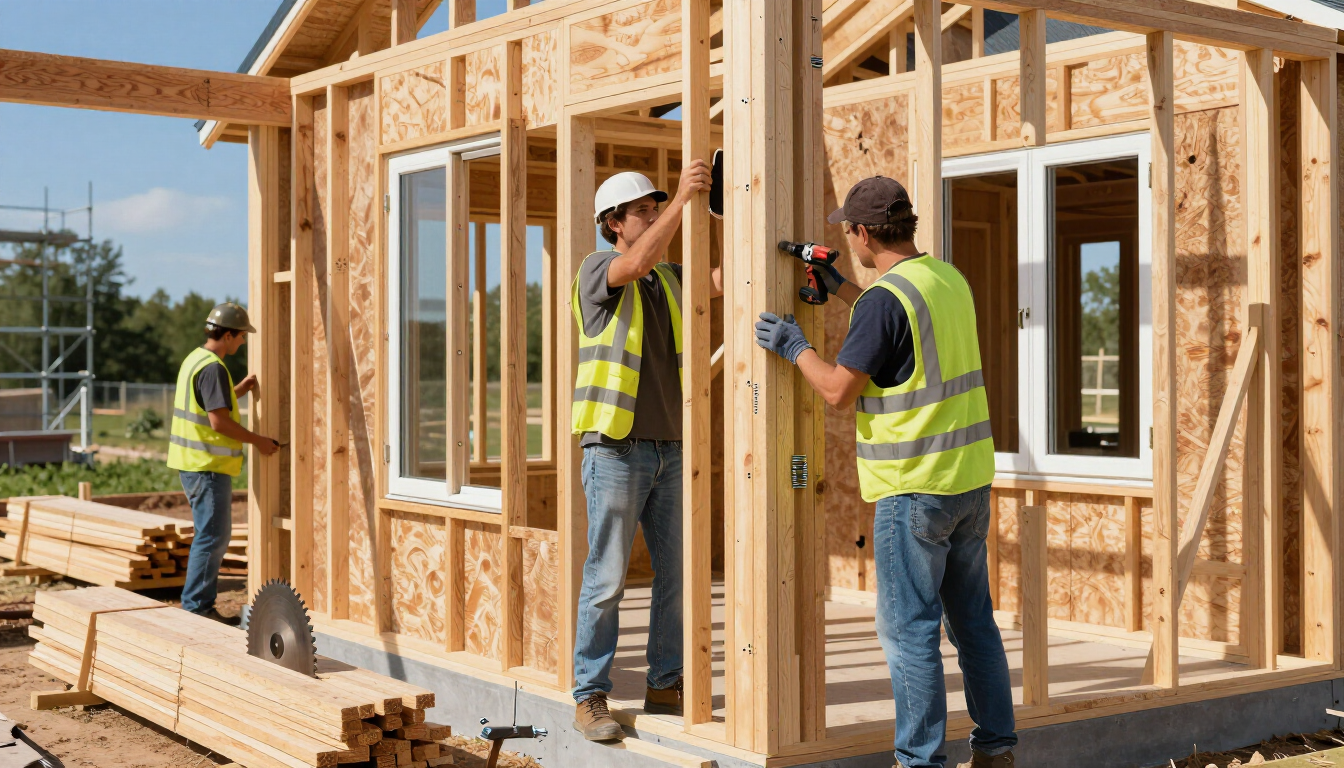
When most people hear the word "addition," they immediately picture a massive construction project involving heavy excavators, a destroyed backyard, and months of living in a chaotic dust bowl. While full-scale additions are certainly an option, a "small addition" is a completely different approach.


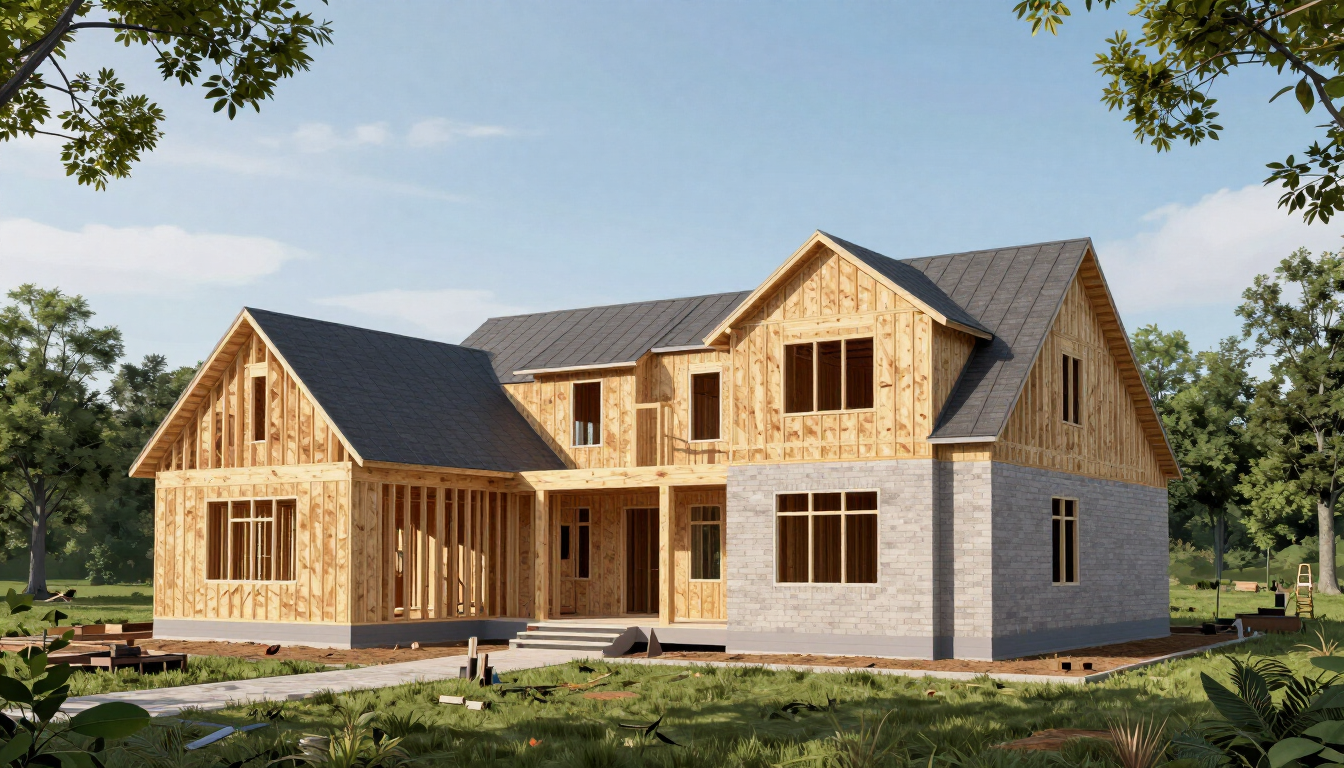
A small addition, commonly known as a "bump-out," involves pushing an exterior wall outward to create a modest amount of new square footage. Depending on your needs, a bump-out can add anywhere from two feet to fifteen feet of space to an existing room.


Why Bump-Outs Are So Popular:


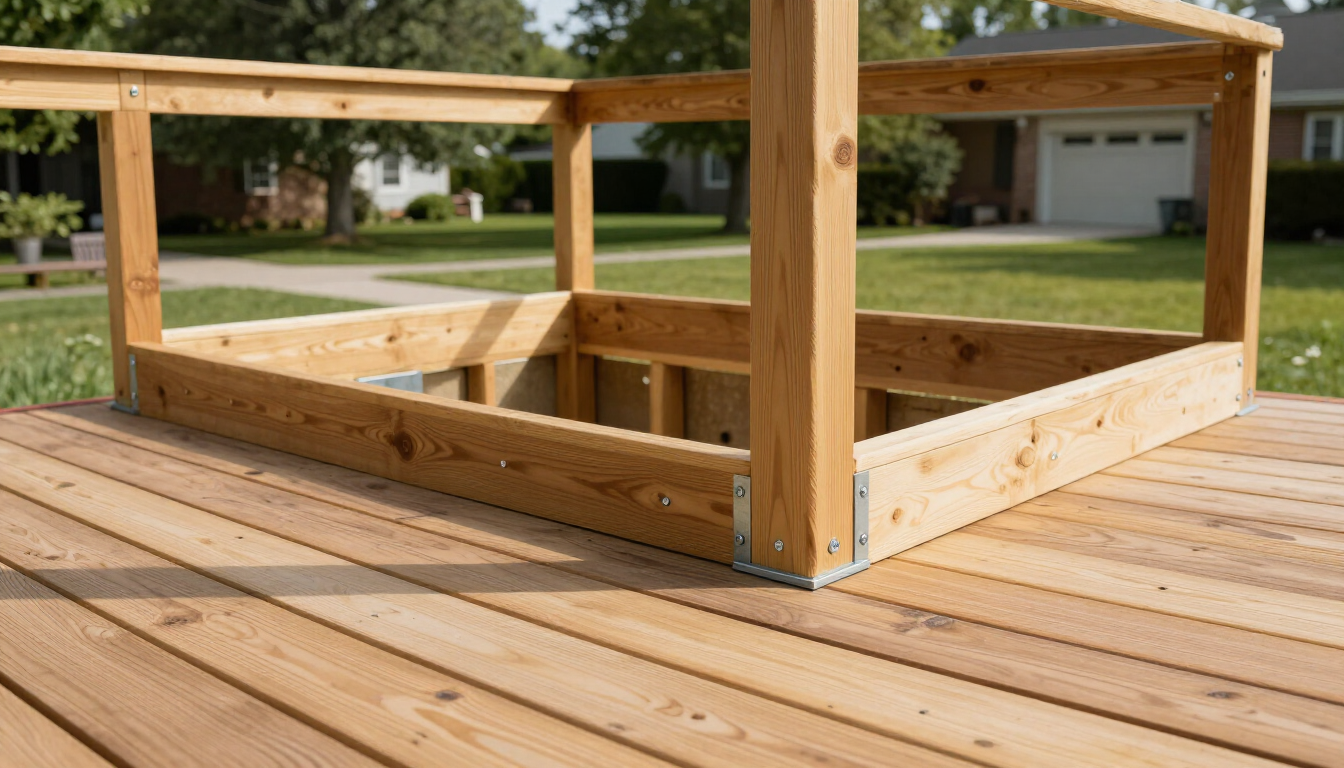
Cost-Effective: Because you are expanding an existing room rather than building a brand-new, standalone structure from scratch, the costs are significantly lower. You often don't need a full foundation pour; many small additions can be supported by deep concrete footings or cantilevered over the existing foundation.


Less Disruption: Small additions are far less invasive. For the majority of the project, the construction crew works on the exterior of your home. The existing wall is only knocked down during the final phases to seamlessly join the old room with the new space, meaning you can comfortably live in your home during the build.


Targeted Solutions: You aren't paying for extra space you don't need. A bump-out solves specific, targeted architectural bottlenecks in your floor plan.

The Most Popular Small Additions in Montgomery County

How much of a difference can an extra 50 to 100 square feet really make? You would be absolutely astounded. A strategically placed small addition can completely change the traffic flow and functionality of your entire first floor. Here are the most popular ways our clients utilize this service:


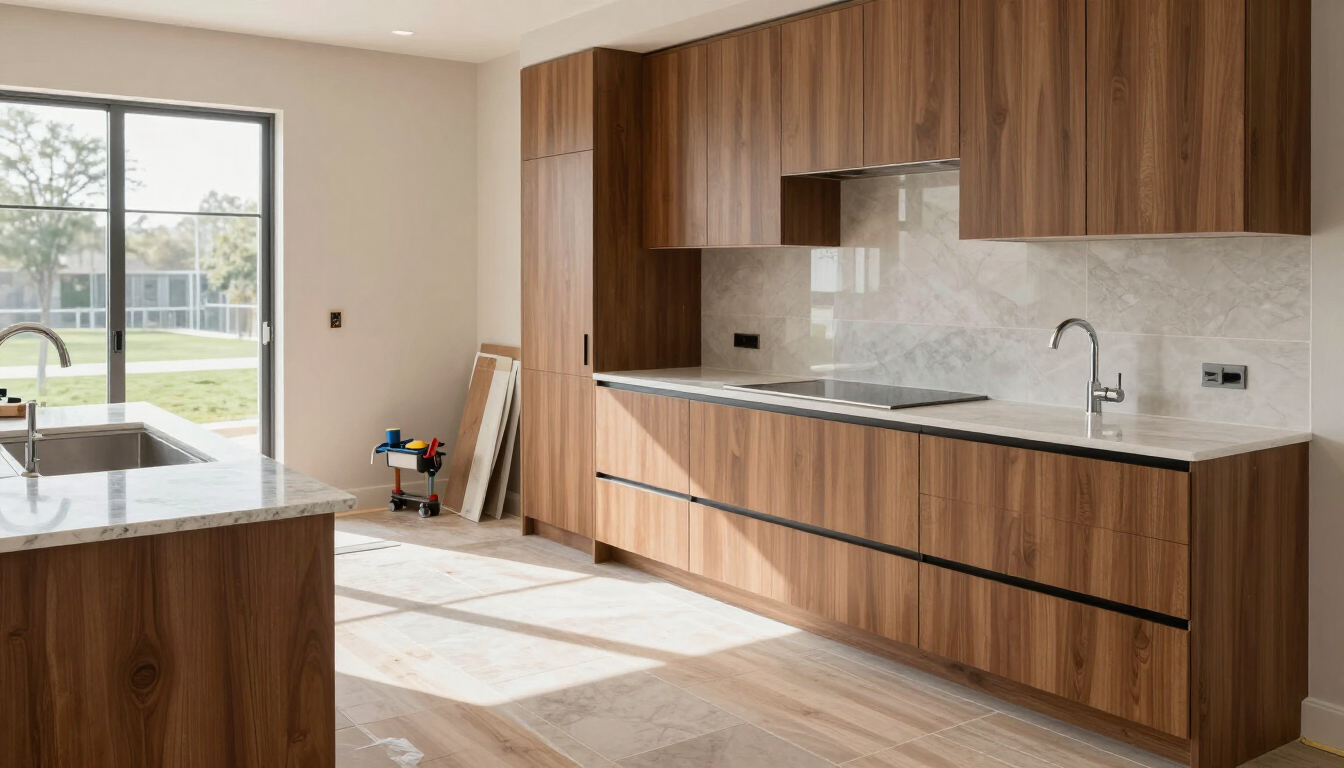
1. The Kitchen Expansion The kitchen is the heart of the home, but older houses in Blacksburg often feature cramped, galley-style kitchens. By bumping the exterior kitchen wall out just three or four feet, you gain the critical square footage required to add a massive central island, install a walk-in pantry, or create a beautiful, sunlit breakfast nook. It takes a one-cook kitchen and turns it into an open-concept entertainment hub.


2. The Luxury Bathroom Enlargement If your master bathroom feels like a closet, a small addition can turn it into a spa-like retreat. Pushing the exterior wall out allows you to finally ditch the cramped shower/tub combo. With the extra space, the skilled craftsmen at Roberts and Sons Construction LLC can build a massive, custom-tiled walk-in shower alongside a luxurious freestanding soaking tub and a double vanity.


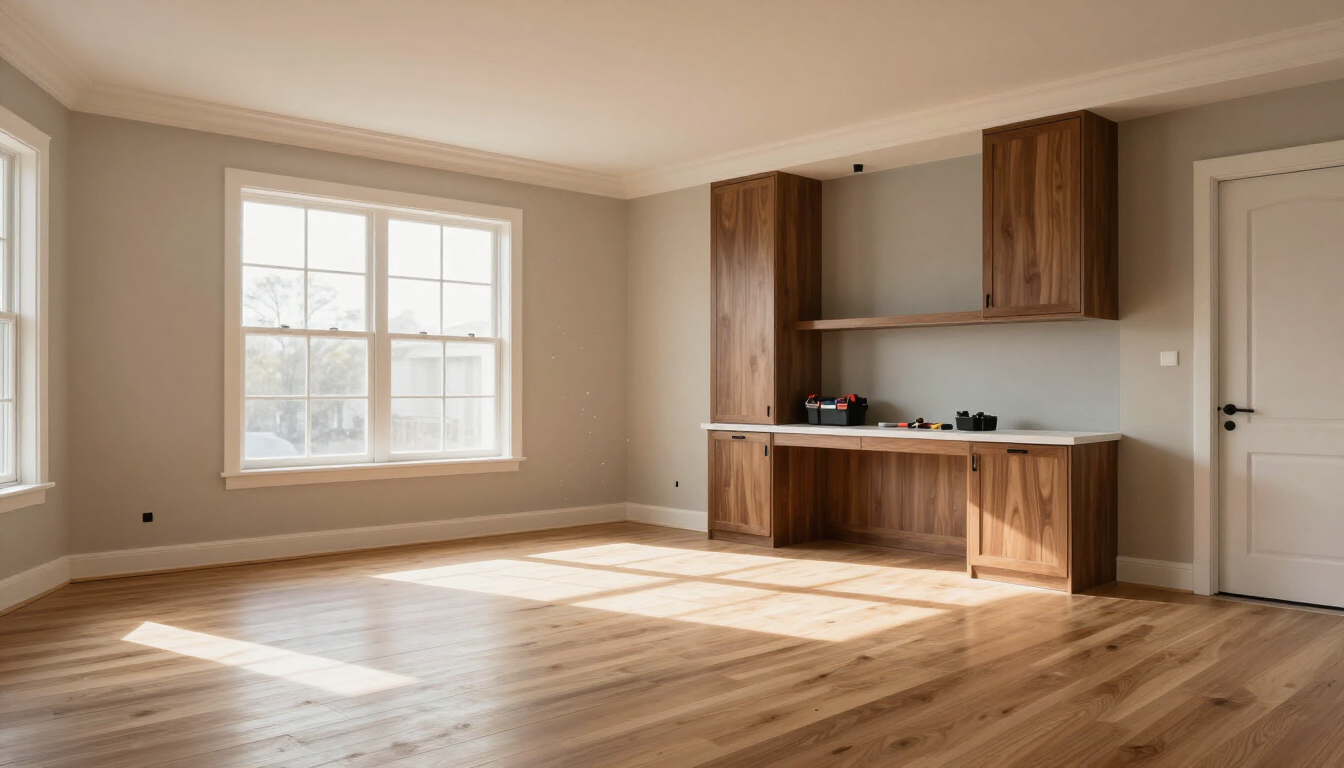
3. The First-Floor Home Office Trying to run a business or conduct Zoom meetings from the dining room table is frustrating and unsustainable. A small bump-out off the living room or hallway can create a dedicated, quiet home office with plenty of natural light, custom built-in shelving, and a door you can finally close at the end of the workday.


4. The Essential Mudroom Virginia weather brings rain, snow, and plenty of mud. If your family currently enters the house and immediately dumps wet shoes, heavy winter coats, and backpacks directly onto the kitchen floor, your home will constantly feel cluttered. A small addition at the side or rear entrance creates a dedicated mudroom. We can install custom cubbies, durable luxury vinyl or tile flooring, and a bench seating area to contain the mess before it ever enters your main living space.

The Complexities of Expanding Your Home

While a small addition is less invasive than building a whole new wing, it is still a major structural engineering project. Adding square footage to a home is never a DIY undertaking. It requires a deep understanding of structural loads, building codes, and complex home systems.


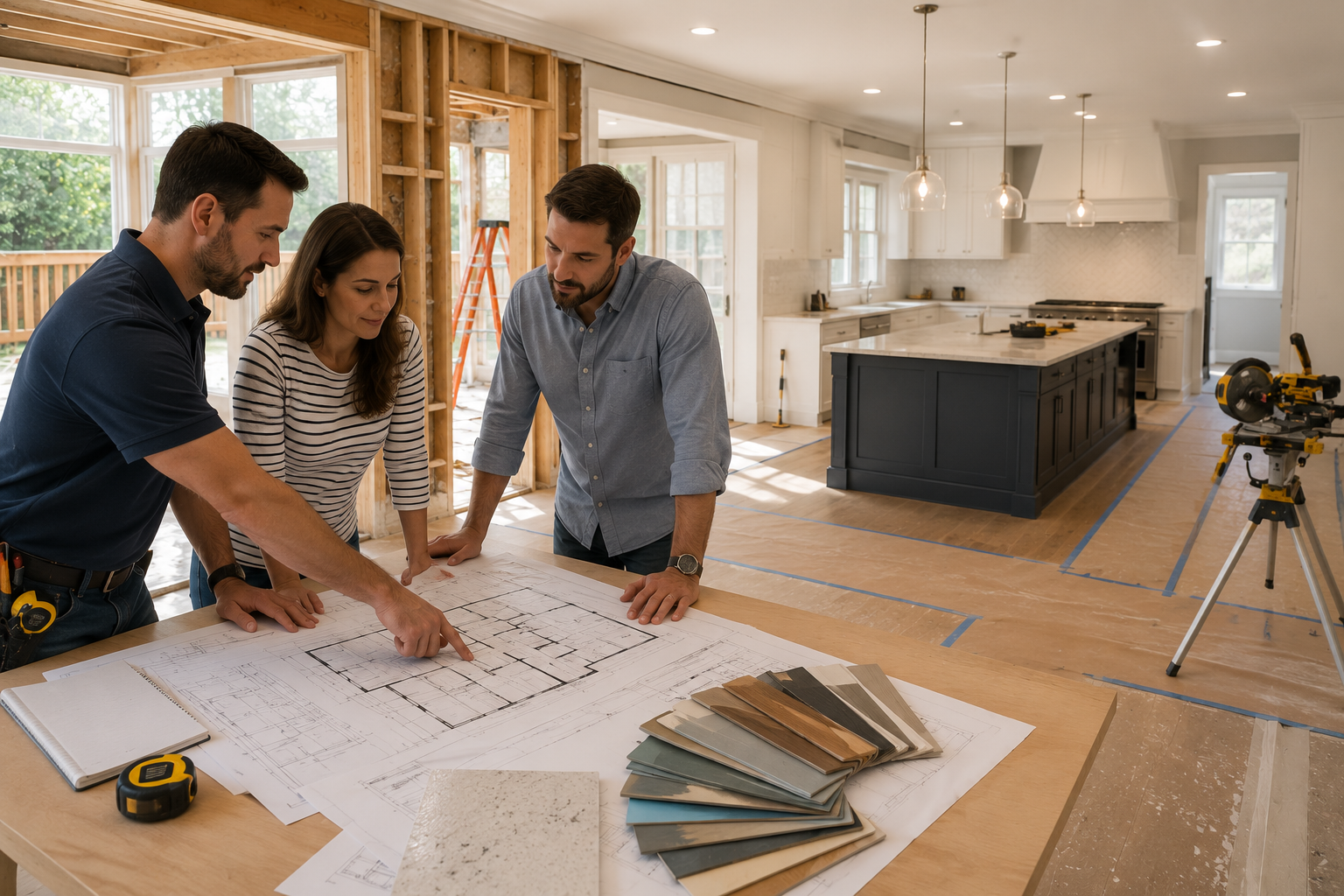
Navigating Zoning and Setbacks Before a single board is cut, you must ensure your planned addition is legal. Every municipality in Montgomery County has strict zoning laws regarding "setbacks"—the minimum distance required between your home's exterior walls and the property line. A professional contractor handles the surveying, submits the architectural blueprints to the city, and secures all the necessary building permits so you don't face massive fines or forced demolitions down the road.


Extending Your Roofline One of the most complex aspects of a small addition is the roof. A poorly designed addition looks like a box that was haphazardly glued to the side of the house. To prevent this, the new roofline must be engineered to tie seamlessly into your existing roof. This ensures proper water runoff, prevents ice dams in the winter, and maintains the original architectural integrity of your home's exterior.


Upgrading HVAC and Electrical Loads When you add square footage, you are adding new electrical outlets, lighting fixtures, and a greater demand for heating and cooling. Your contractor must evaluate your current electrical panel to ensure it can handle the new circuits. Likewise, your central HVAC system must be assessed. If your current unit is already maxed out, we may recommend installing a highly efficient, ductless mini-split system specifically for the new addition to guarantee perfect climate control.

 The Art of Seamless Integration

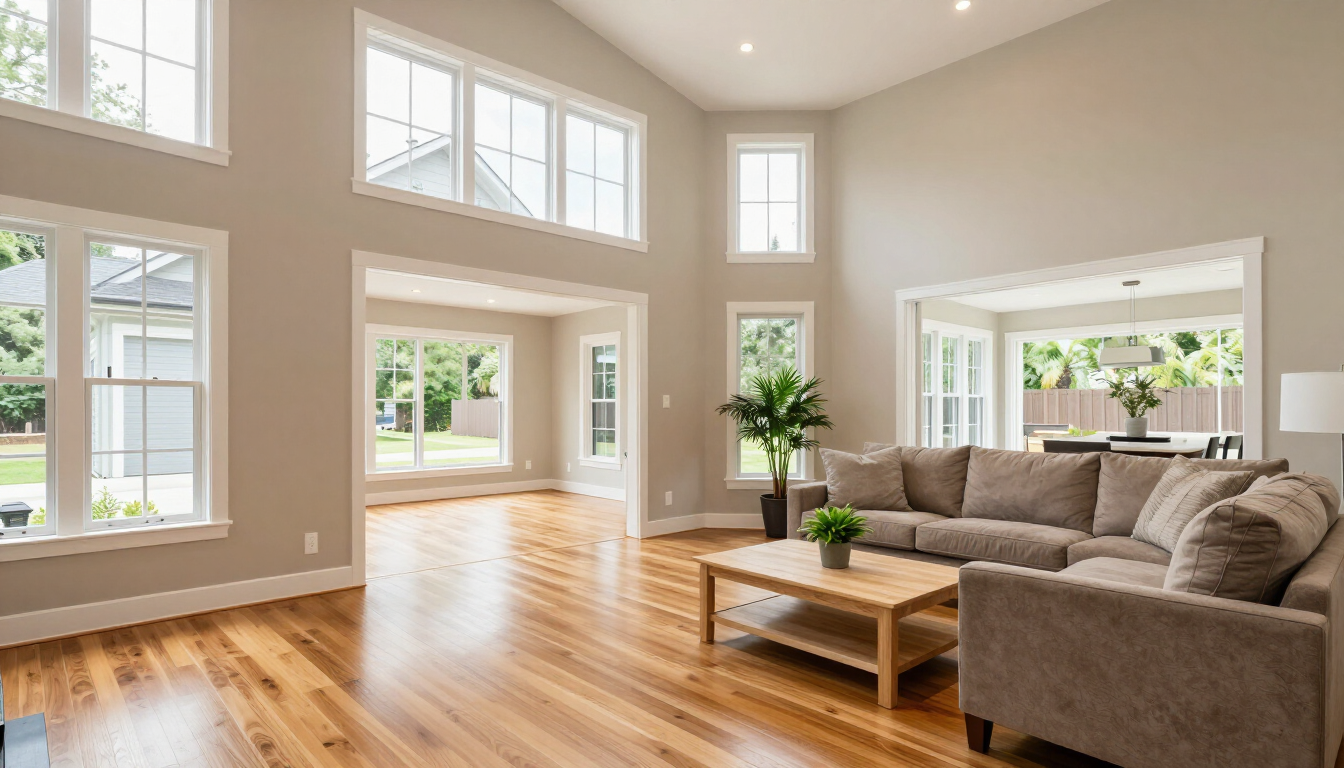
The hallmark of a truly successful home addition is invisibility. When a guest walks into your newly expanded kitchen or master suite, they should not be able to tell where the original house ends and the new addition begins.


Achieving this level of seamless integration requires the eye of an experienced professional builder.

Matching the Exterior: We meticulously source siding, brick, and roofing shingles that perfectly match your home's existing exterior materials. We ensure the exterior trim and window styles are identical to the original architecture.


Leveling the Floors: Because the addition is built on a new foundation or cantilever system, matching the subfloor height of the existing house is a game of millimeters. We ensure there are no awkward steps, lips, or transitions between the old room and the new space.


Flawless Interior Finishes: From matching the original hardwood flooring and baseboard profiles to providing expert interior painting that unifies the walls, our team manages every single detail of the finish carpentry to create a unified, beautiful space.

The Financial Return on Investment

Investing in a small addition is one of the smartest financial moves a homeowner can make. In real estate, square footage is king. By increasing the livable footprint of your home, you are directly increasing its appraisal value.


Furthermore, because bump-outs target highly desirable areas—like modernized kitchens, larger master bathrooms, and dedicated mudrooms—they drastically increase your home's marketability. If you ever decide to list your Blacksburg property in the future, buyers are willing to pay a premium for homes that already feature these modern, spacious layouts. You get to enjoy the luxurious new space today while banking the equity for tomorrow.

Build Your Future with Roberts and Sons Construction LLC

You don't have to leave the home and the neighborhood you love just because you need a little more room. With strategic planning and expert craftsmanship, you can transform your current house into your ultimate dream home.


When you partner with Roberts and Sons Construction LLC, you are choosing peace of mind. Billy Roberts and his dedicated team have successfully completed over 200 projects across Montgomery County. We are fully licensed, insured, and deeply committed to providing customized, high-quality solutions at competitive prices. We manage the entire process—from the initial blueprints and permits to the final coat of paint—ensuring your project is completed on time and strictly within budget.


Ready to unlock the potential hiding just beyond your walls?

Contact Roberts and Sons Construction LLC today to discuss your vision. Call us at (540) 922-6728 or email Billyr.0092@gmail.com to schedule your free, comprehensive estimate. Let’s build the space your family deserves!

Recent Posts

June 22, 2026
The body content of your post goes here. To edit this text, click on it and delete this default text and start typing your own or paste your own from a different source.
June 15, 2026
The body content of your post goes here. To edit this text, click on it and delete this default text and start typing your own or paste your own from a different source.
June 8, 2026
The body content of your post goes here. To edit this text, click on it and delete this default text and start typing your own or paste your own from a different source.
June 1, 2026
Many of the beautiful, established homes throughout the New River Valley were built in eras that prioritized compartmentalized living. Floor plans from the 1970s, 80s, and 90s typically feature a separate formal dining room, a secluded kitchen, and walled-off living spaces. Today, modern families crave the exact opposite. An "open concept" floor plan is the most requested layout feature in residential remodeling. By tearing down the interior walls separating the kitchen and the living room, a cramped house instantly feels massive, bright, and perfectly suited for entertaining. However, wielding a sledgehammer in your living room is incredibly dangerous without the right preparation. Many interior walls are holding up the weight of your roof or the second story. Removing them requires advanced structural engineering. At Roberts and Sons Construction LLC , we specialize in heavy-duty residential remodeling. Before you start demoing your drywall, here is what you need to know about safely removing a load-bearing wall. 1. Identifying the Structural Load The most dangerous mistake a homeowner can make is assuming a wall is purely decorative just because it looks thin or runs parallel to the floor joists. While some walls are indeed simply dividing space (partition walls), a load-bearing wall supports the "dead weight" of the building above it, transferring that immense pressure down into the concrete foundation. Determining which is which requires professional insight. Our team examines your attic framing, the basement support columns, and the directional run of your floor joists to map out exactly how your home handles gravity before a single cut is made. 2. The Required Structural Engineering You cannot simply tear down a structural wall and leave an empty void. The weight that the wall was previously supporting must be safely transferred to a new structural element—typically a massive, horizontal support beam. This is not a guessing game. The required beam must be mathematically sized by a structural engineer based on the span of the room and the weight it needs to carry. Depending on the load, we will install either a thick LVL (Laminated Veneer Lumber) beam or an industrial steel I-beam. Furthermore, the vertical posts supporting the ends of this new beam must be engineered to carry the concentrated weight directly down to solid foundation footings. 3. Implementing Temporary Shoring Systems Before the load-bearing wall is actually removed, the ceiling above it must be aggressively supported. If this step is rushed, the second story will immediately sag, causing catastrophic damage to your roofline, drywall, and framing. Professional contractors build temporary "shoring walls" on either side of the wall slated for demolition. These heavy-duty temporary supports hold the full weight of the house securely in the air while the old wall is torn out and the new, permanent support beam is lifted into place and bolted securely. 4. Rerouting Hidden Infrastructure Walls do more than hold up ceilings; they act as the hidden highways for your home's vital systems. When you open up a wall between a kitchen and a living room, you will almost certainly uncover a complex web of electrical wiring, plumbing vents, and heavy HVAC ductwork. Removing the wall means all of this infrastructure must be systematically shut down and rerouted through the floor joists or the attic framing. This requires meticulous coordination with specialized trades to ensure your home remains safe, code-compliant, and fully functional. Trust the Structural Experts Opening up your floor plan completely transforms the way you experience your home. It floods the interior with natural light, improves family connectivity, and massive boosts your property value. But it is high-stakes construction that leaves zero room for amateur errors. When executing a complex structural remodel, you need a contractor with a deep understanding of load transfers and architectural framing. Roberts and Sons Construction LLC brings years of specialized experience to your property. Billy Roberts and our dedicated crew handle the engineering, the heavy lifting, and the flawless interior finishing, ensuring your newly opened space is structurally bulletproof and visually stunning. We proudly modernize and rebuild homes across our priority regions: Blacksburg, VA Christiansburg, VA Radford, VA Floyd, VA Pulaski, VA Montgomery County, VA Ready to knock down some walls and breathe new life into your home? Contact Roberts and Sons Construction LLC today via our website to schedule your professional site evaluation and structural consultation. Let’s build the open, inviting space your family deserves!
May 25, 2026
As your family grows or your lifestyle changes, the home you bought five or ten years ago can suddenly start to feel cramped. Whether you find yourself needing a dedicated home office, an expanded master suite, or a larger kitchen for entertaining, you generally have two choices: pack up and enter a highly competitive real estate market, or expand the footprint of the home you already love. For many homeowners in the New River Valley, a custom home addition is the smartest way to gain the exact square footage they need while dramatically increasing their property’s market value. However, tearing off a roof or pouring a new foundation is a massive undertaking. Unlike a simple cosmetic update, a structural addition requires precise architectural planning, strict adherence to zoning codes, and heavy-duty construction. At Roberts and Sons Construction LLC , we specialize in full-scale residential remodeling and seamless home additions. To ensure your expansion project is a resounding success, here are five crucial steps you need to take before breaking ground. 1. Define the Exact Purpose of the Space "We just need more room" is not a specific enough plan for a major construction project. Before drawing up any blueprints, you need to clearly define how the new square footage will be utilized daily. Will this be an expansive master suite that requires complex new plumbing for a luxury bathroom? Or is it a bright, open sunroom that requires heavy-duty HVAC planning to stay comfortable year-round? The specific function of the room dictates the structural engineering, the layout of the electrical grid, and the timeline of the build. 2. Understand Your Property Lines and Zoning Laws You cannot simply build an extension wherever you have open grass. Every municipality in the New River Valley has specific zoning laws known as "setbacks," which dictate exactly how close a structure can be built to the edge of your property line. Additionally, if you live in a neighborhood with a Homeowners Association (HOA), you will likely need their architectural approval before any exterior modifications can begin. A professional contractor will help you navigate these local building codes and pull the necessary structural permits, but it is wise to locate your property’s original plot plan early in the process. 3. Establish a Realistic Budget (and a Contingency Fund) A home addition is a major financial investment. When outlining your budget, it is critical to look beyond just the cost of raw lumber and drywall. You need to factor in architectural design fees, permit costs, interior finishes (like custom cabinetry and flooring), and potential upgrades to your home’s existing electrical panel or HVAC system to handle the new load. We always recommend setting aside a 10% to 15% contingency fund to cover unexpected surprises—like uncovering hidden water damage when the old exterior wall is opened up. 4. Plan for the Disruption We believe in complete transparency: living through a major home addition can be disruptive. There will be noise, dust, and heavy machinery on your property for several weeks or months. Before construction begins, you need to establish a game plan for your family’s daily routine. If you are expanding the kitchen, set up a temporary kitchenette in the dining room or garage. If the project requires shutting off the main water line for a few days, you may want to plan a short stay with family or at a local hotel. A professional crew will do everything possible to minimize the mess, but mentally preparing for a temporary construction zone is essential. 5. Hire a Specialized Design-Build Contractor A structural addition is not the time to hire the cheapest neighborhood handyman. Tying a brand-new foundation and roofline into a decades-old house requires advanced engineering. If the new structure settles differently than the old one, it will cause severe cracking and water leaks where the two buildings meet. You need a contractor who understands the complexities of structural integration, matching exterior sightlines, and managing specialized trades like plumbing and electrical. Expand Your Home with Confidence At Roberts and Sons Construction LLC , we take the stress out of major home renovations. Billy Roberts and our highly skilled crew treat your property with the absolute highest level of respect, focusing on clear communication, transparent pricing, and heavy-duty craftsmanship that blends seamlessly with your home’s original architecture. We proudly build and remodel homes across our priority regions: Blacksburg, VA Christiansburg, VA Radford, VA Floyd, VA Pulaski, VA Montgomery County, VA Ready to build the space your family deserves? Contact Roberts and Sons Construction LLC today via our website to schedule your professional site evaluation and discuss your addition plans. Let’s build something incredible together!
May 18, 2026
The body content of your post goes here. To edit this text, click on it and delete this default text and start typing your own or paste your own from a different source.
May 4, 2026
The Core Upgrades (Kitchen & Bathroom Remodeling)
Show More