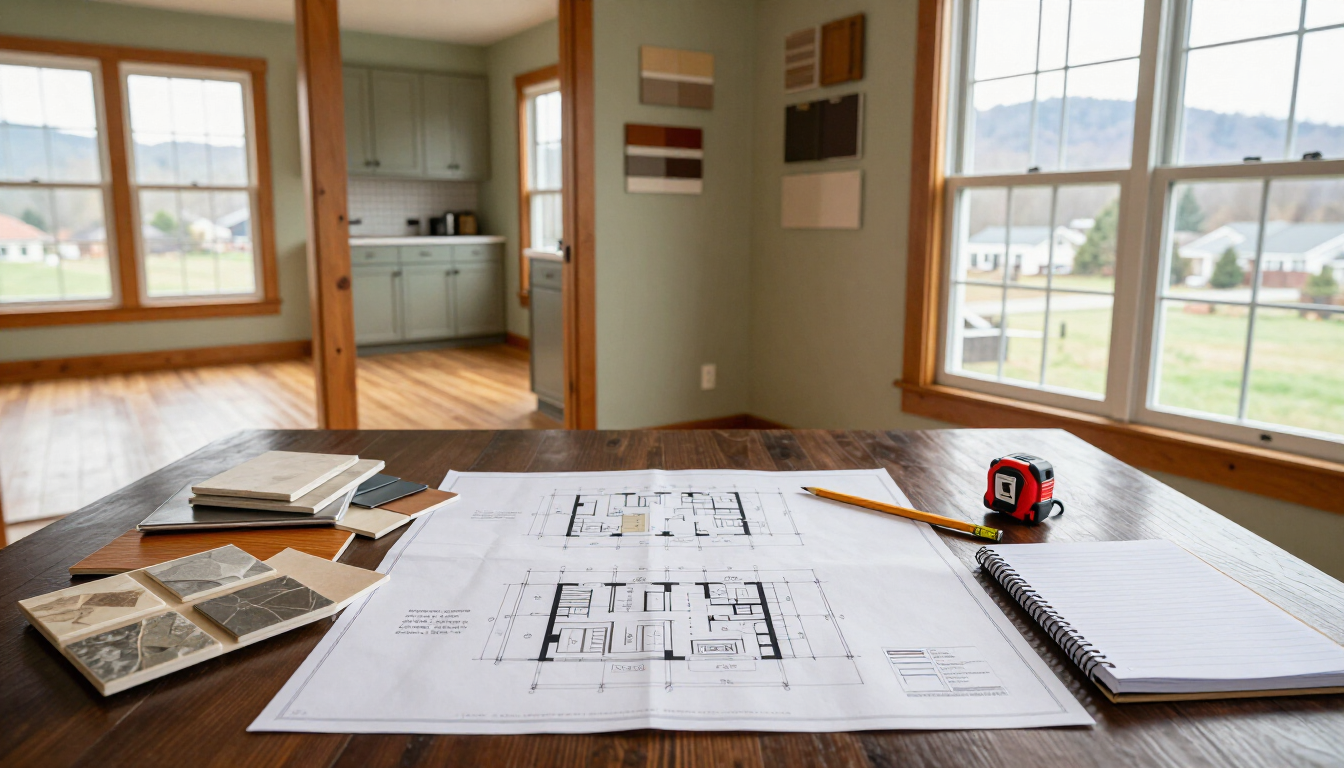
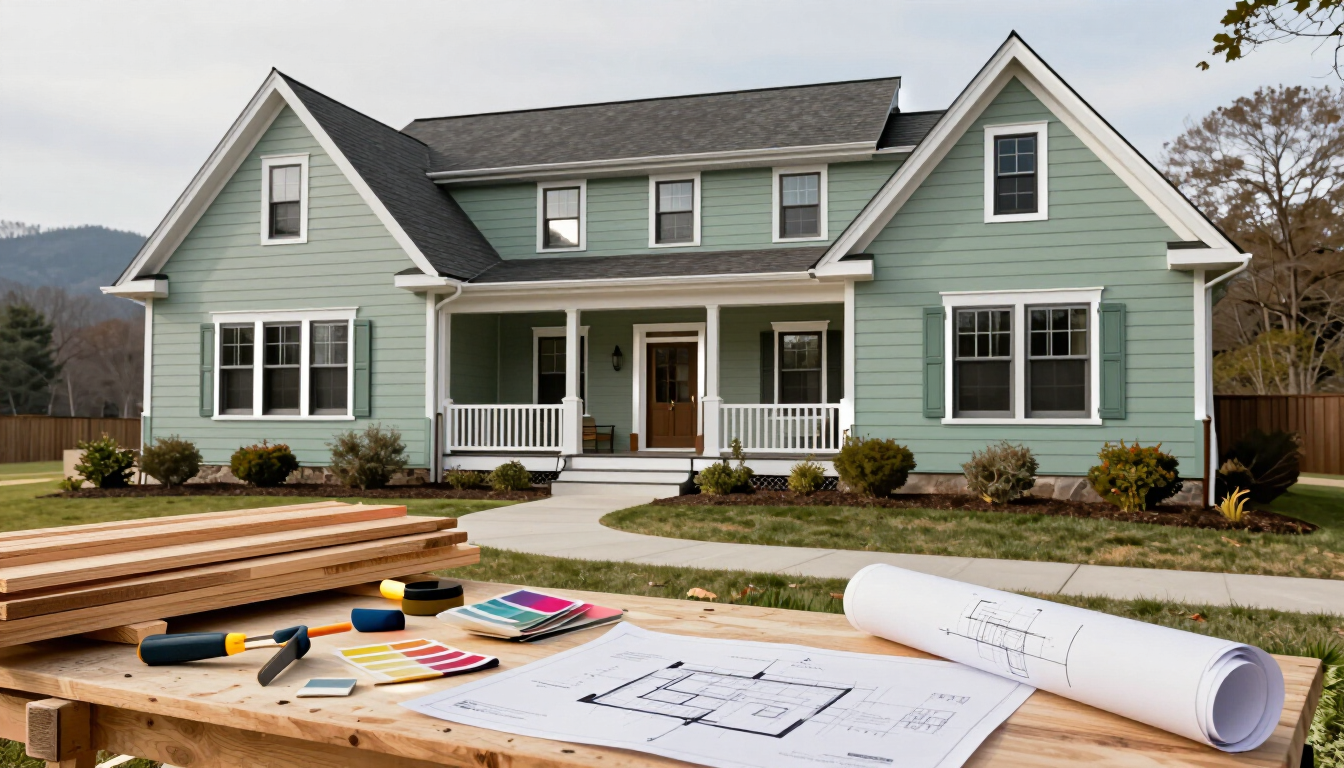
For many homeowners in the New River Valley, the charm and character of an older property are exactly what drew them to their home. Whether you live in a historic craftsman in Blacksburg, a sprawling mid-century brick ranch in Christiansburg, or a cozy colonial in Radford, these older homes boast incredible architectural details and mature landscaping that new construction simply cannot replicate.
However, they also share one almost universal design flaw: isolated, cramped, and entirely walled-off kitchens.
Historically, kitchens were designed strictly as utilitarian workspaces. They were functional rooms meant to be hidden away behind partition walls and heavy swinging doors, keeping the mess of cooking separated from the formal dining and living areas. Today, the modern family uses the kitchen in a completely different way. It has evolved into the undisputed social hub of the home—the place where we prep meals, help kids with homework, entertain guests, and gather at the end of a long day.
If you feel claustrophobic every time you try to cook, or if you feel entirely isolated from your family while preparing dinner, a simple cosmetic update—like painting the cabinets or swapping out the hardware—isn't going to solve the problem. To truly transform the way you live in your home, you need a full-scale structural kitchen remodel.
At
Roberts and Sons Construction LLC, we specialize in complex, heavy-duty residential renovations that go far beyond a quick facelift. If you are ready to modernize your older home, here are four massive benefits of investing in a structural kitchen remodel.
1. Tearing Down Walls for Superior Natural Light and Flow
The biggest drawback of a compartmentalized, older kitchen is the severe lack of physical space and natural light. When your kitchen is boxed in by four interior partition walls, it often has to rely on a single, small window over the sink. This leaves the rest of the room feeling shadowy, cramped, and entirely unwelcoming, no matter how many overhead lights you install.
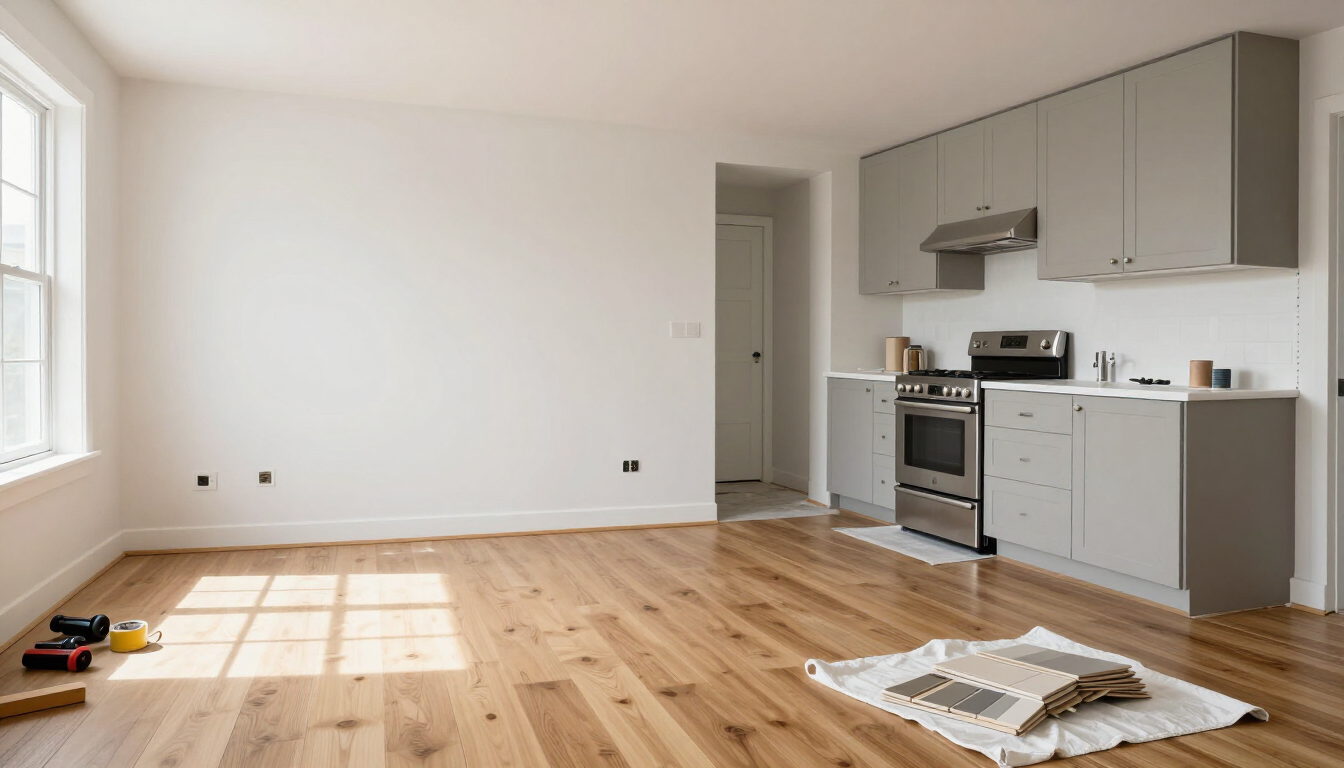
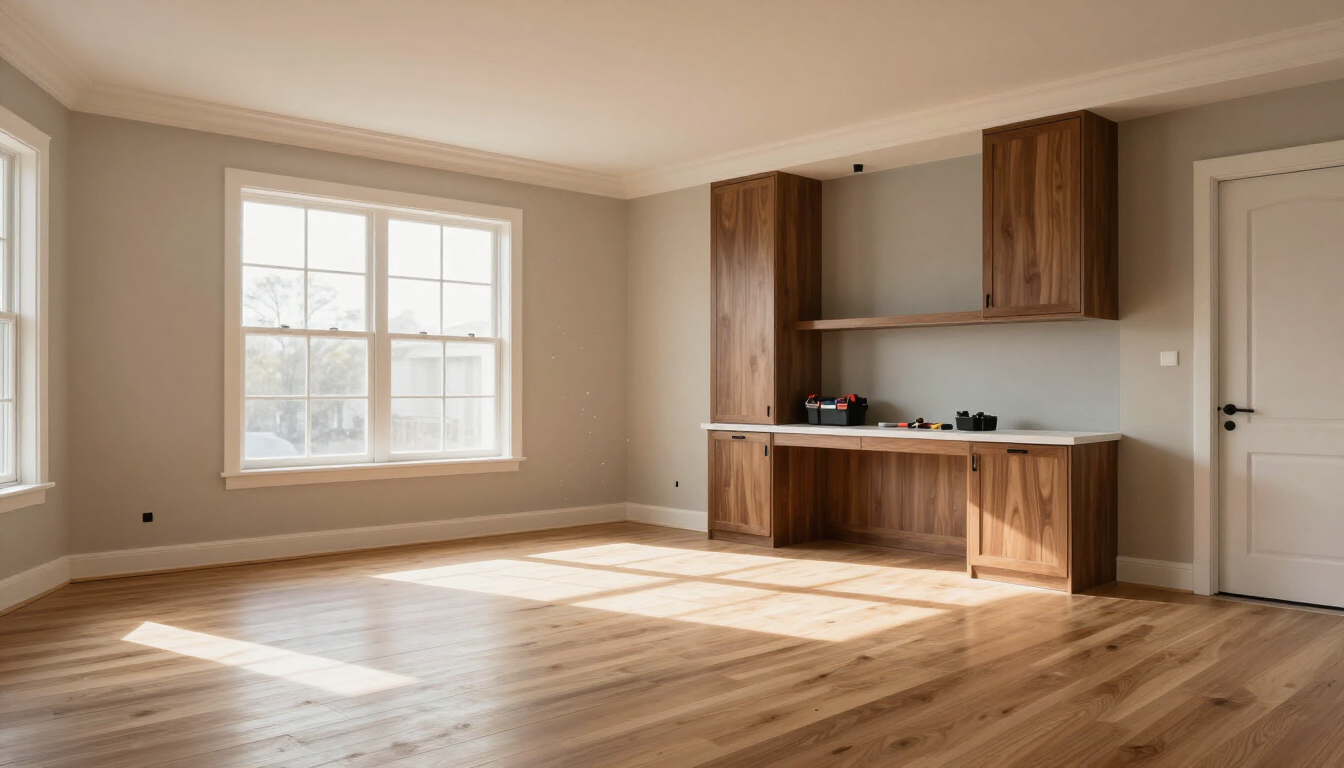
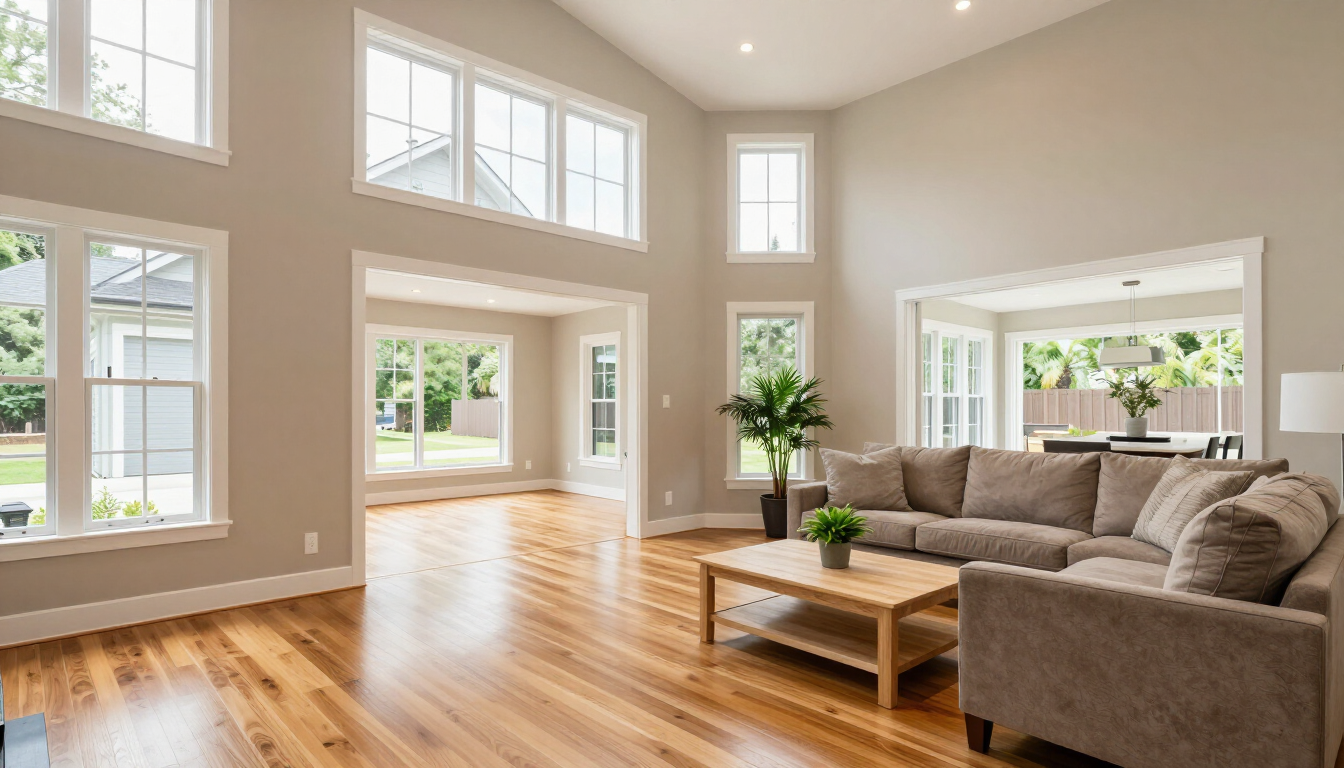
A true structural remodel involves aggressively reimagining your home's floor plan. By safely removing non-load-bearing walls—or properly engineering and installing heavy-duty structural steel beams to replace load-bearing walls—you instantly open up the visual pathways of your entire home. The natural sunlight pouring in from your living room's large bay windows or your dining room's sliding glass doors will flood directly into the kitchen space. This massive influx of natural light makes your entire floor plan feel significantly larger, brighter, and much more inviting.
2. Modernizing Failing, Hidden Infrastructure
When homeowners hire a contractor to simply paint their existing cabinets or lay down a cheap floating floor, they are essentially putting a cosmetic bandage over an aging, potentially failing system. Older homes in the New River Valley often feature outdated galvanized plumbing that is highly prone to hidden, catastrophic leaks, or aging electrical panels that simply cannot handle the heavy wattage required by modern culinary appliances.
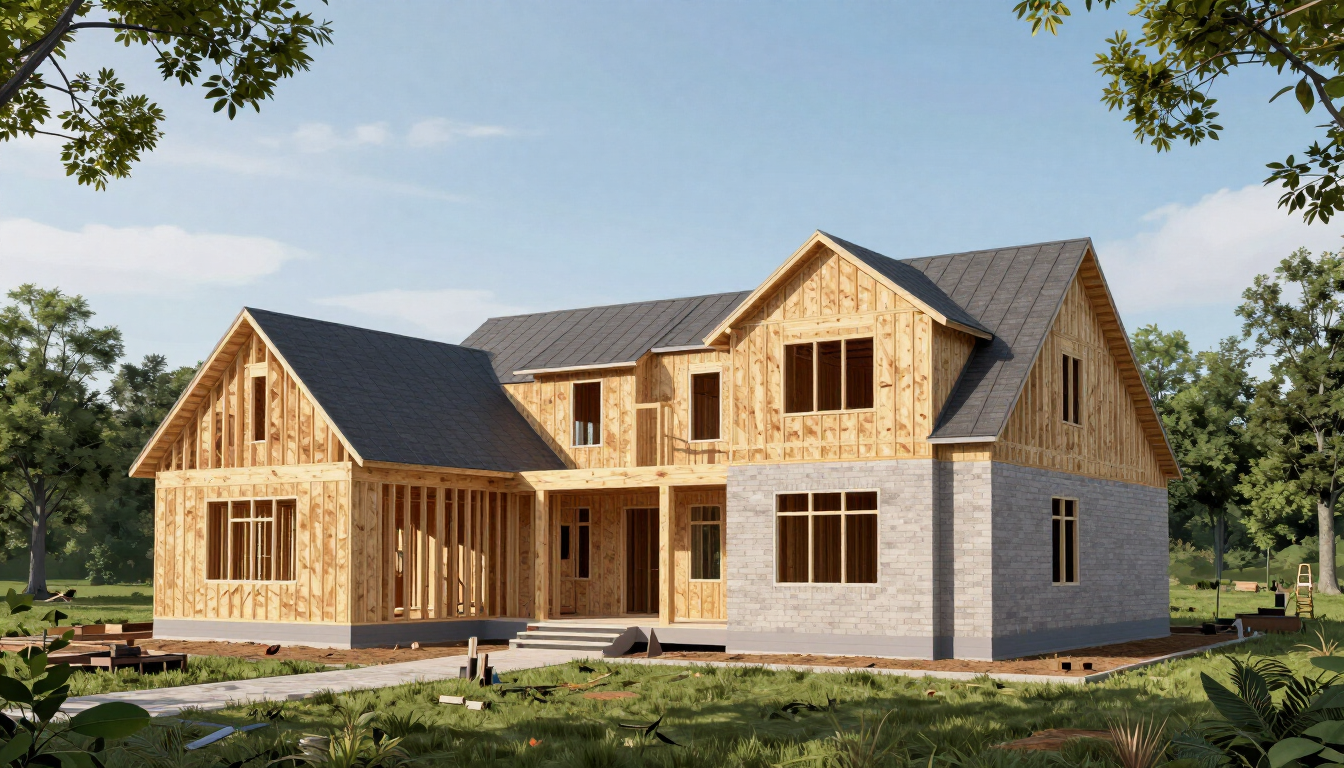
A structural kitchen remodel typically requires stripping the room down to the bare wooden studs. This aggressive, "clean slate" approach allows an expert contractor to fully access and modernize the hidden infrastructure of your home. During this phase, you can replace aging, corroded pipes with modern, leak-proof PEX plumbing, upgrade your main electrical panel to safely support a new double-oven or high-voltage induction cooktop, and add dedicated, code-compliant circuits exactly where you need them. You aren't just making the kitchen look stunning; you are making the entire house exponentially safer, more efficient, and more reliable for decades to come.
3. Reconfiguring for Elite Functional Design
A standard cosmetic facelift forces you to work within the confines of a layout that was designed 30 or 40 years ago. If your refrigerator door blocks the main walkway every time it is opened, or if you don't have enough continuous counter space to comfortably chop vegetables and prep meals, installing brand-new luxury granite over those same old cabinets won't fix the underlying frustration.
Structural remodeling allows you to completely erase the old footprint and start from scratch. You can relocate the sink to an exterior wall to capture a better view, move the stove to optimize the classic "kitchen work triangle," or even reclaim adjacent, underutilized space—such as a formal, rarely used dining room or an oversized mudroom—to drastically expand the kitchen's total square footage. This newfound space is what allows for the installation of massive, multi-functional kitchen islands featuring deep-drawer storage, secondary prep sinks, and integrated seating. It completely transforms how you utilize and interact with the space.
4. Unmatched Customization and Real Estate Value
A fully customized, structurally sound kitchen remodel provides one of the absolute highest Returns on Investment (ROI) in the residential construction and real estate industry. If you ever decide to list your property on the highly competitive New River Valley real estate market, a cramped, outdated kitchen is the number one reason prospective buyers will walk away or submit lowball offers. Today's buyers want move-in ready, open-concept living.
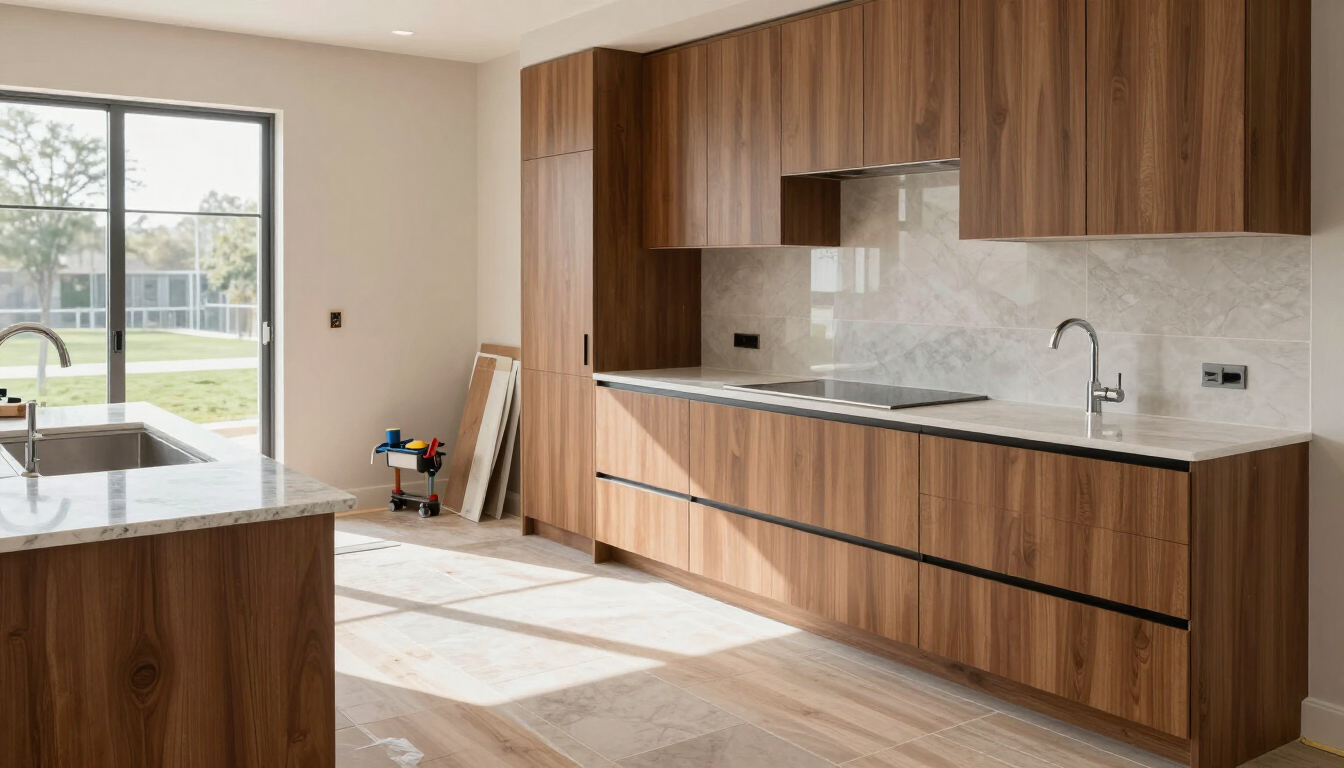
An expansive, open-concept kitchen built with high-quality materials and flawless craftsmanship acts as an immediate, show-stopping selling feature. It signals to buyers that the home has been professionally modernized from the inside out, allowing you to easily command top dollar and secure a much faster sale. Even if you plan on staying in the home for decades to come, the daily joy, enhanced functionality, and improved quality of life a custom kitchen provides is an invaluable return on your financial investment.
Build Your Dream Kitchen with Roberts and Sons Construction LLC
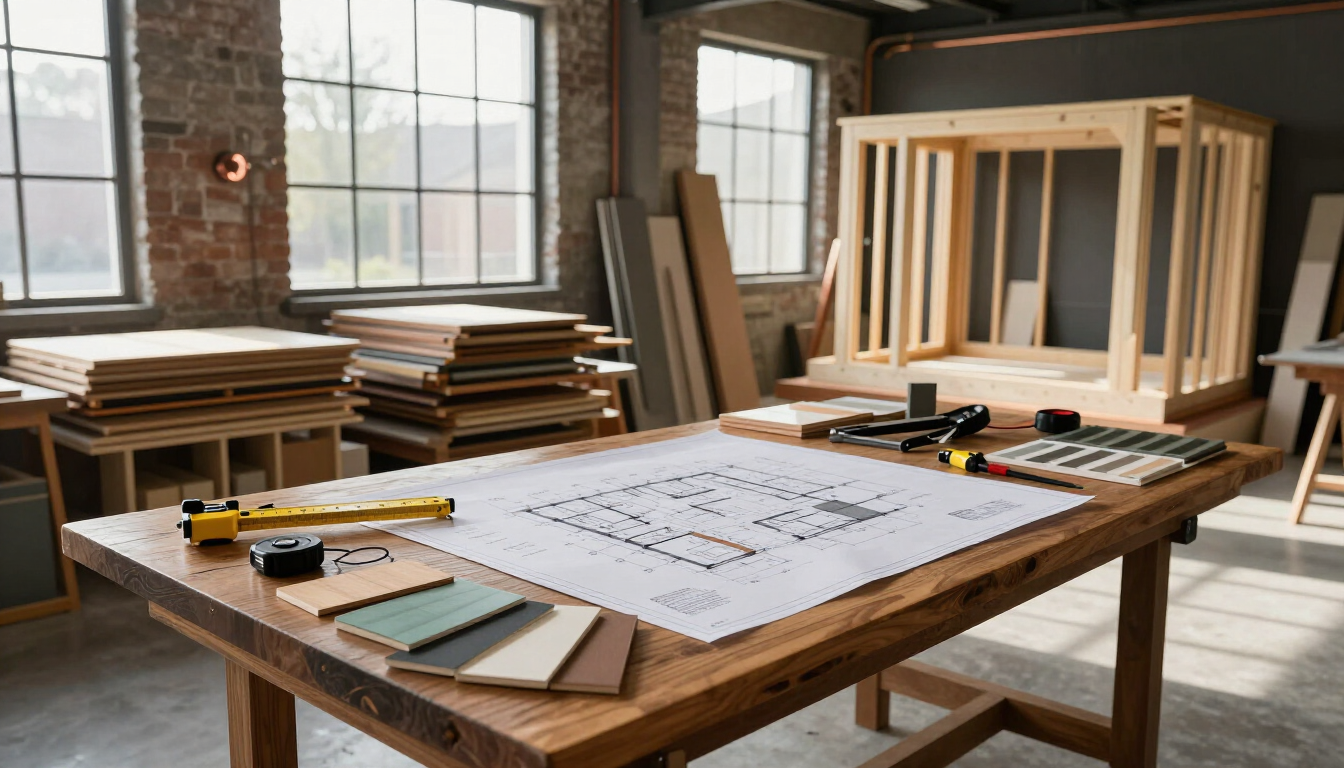
Tearing down walls, rerouting complex plumbing, and designing a cohesive, open-concept kitchen is absolutely not a DIY weekend project. It requires a profound understanding of structural engineering, load-bearing architectural framing, and precise, multi-trade project management. Attempting a major structural change without an elite professional contractor can lead to catastrophic, incredibly costly damage to your home.
When you partner with
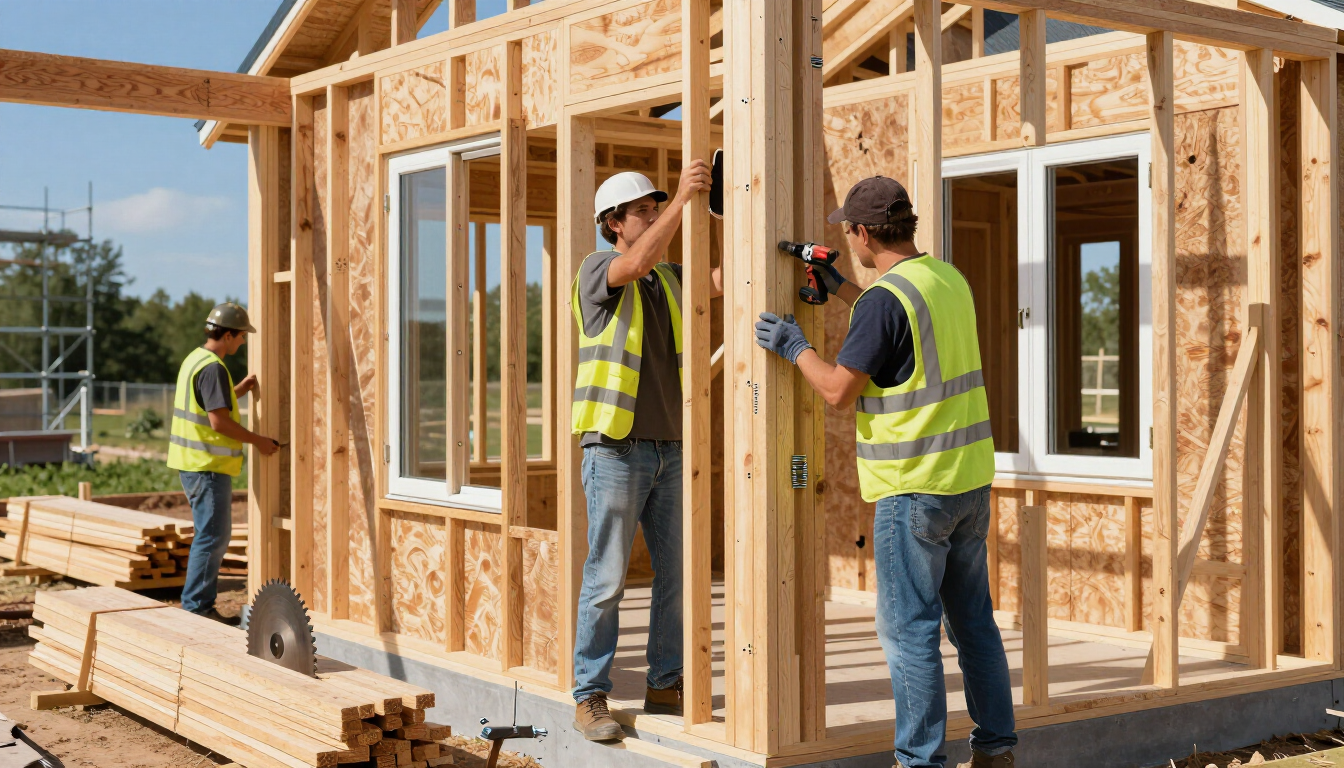
Roberts and Sons Construction LLC, you are hiring a dedicated team of craftsmen that prioritizes both the beautiful finishes you see and the critical infrastructure that remains hidden behind the drywall. Billy Roberts and our highly experienced crew handle every single phase of your renovation—from the initial, safe demolition and structural reinforcement to the flawless, detail-oriented installation of your custom cabinetry and countertops. We ensure your project is executed with absolute precision and total transparency.
We proudly build and remodel luxury spaces for homeowners across our priority regions:
- Blacksburg, VA
- Christiansburg, VA
- Radford, VA
- Floyd, VA
- Pulaski, VA
- Montgomery County, VA
Are you ready to tear down the walls and build the kitchen your family finally deserves? Contact
Roberts and Sons Construction LLC today via our website to schedule your professional site evaluation and structural consultation. Let’s start building your home's next chapter together!